
Based on the TWI instructional model, the Job Safety (JS) program creates a simple and logical framework by which supervisors can prevent accidents from happening by learning how to analyze the causes of accidents and eliminating them before they happen. In addition to physical causes, JS emphasizes the role in which people's feelings and attitudes contribute to accidents. Moreover, it stresses that the relationship of the supervisor and employees plays a pivotal role in a safe and environmentally responsible workplace.

Job Safety has successfully improved workplace safety and reduced hazardous situations in industries such as manufacturing, construction and healthcare. Companies practicing Job Safety experience lower incident rates, fewer accidents and injuries, better morale, less down time and improved safety records and inspection results.
||||||||||||||||||||||||||||||||||||||||||||||||||||||||||||||||||||||||||||||||||||||||||||||||||||||||||||||||||||||||||||||||||||||||||||||||||||||
This TWI Job Safety (JS) training package includes:
1. Introduction to TWI and Job Safety Slides (PowerPoint format)
2. Breakdown Sheet for Safety Instruction (Word format)
3. Printing Guidelines for Job Safety Pocket Card
4. Job Safety Poster (PDF format, in color and monochrome, printable in A3 size)
||||||||||||||||||||||||||||||||||||||||||||||||||||||||||||||||||||||||||||||||||||||||||||||||||||||||||||||||||||||||||||||||||||||||||||||||||||||
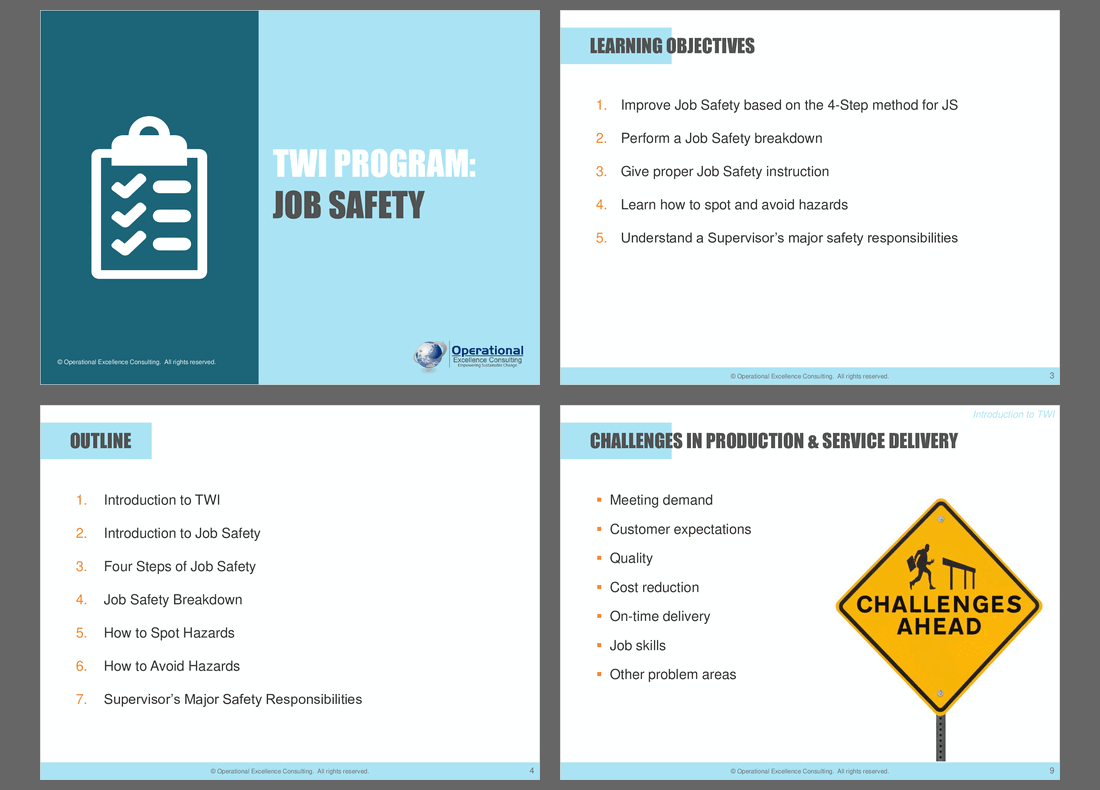
LEARNING OBJECTIVES
1. Improve Job Safety based on the 4-Step method for Job Safety.
2. Perform a Job Safety breakdown.
3. Give proper Job Safety instruction.
4. Learn how to spot and avoid hazards.
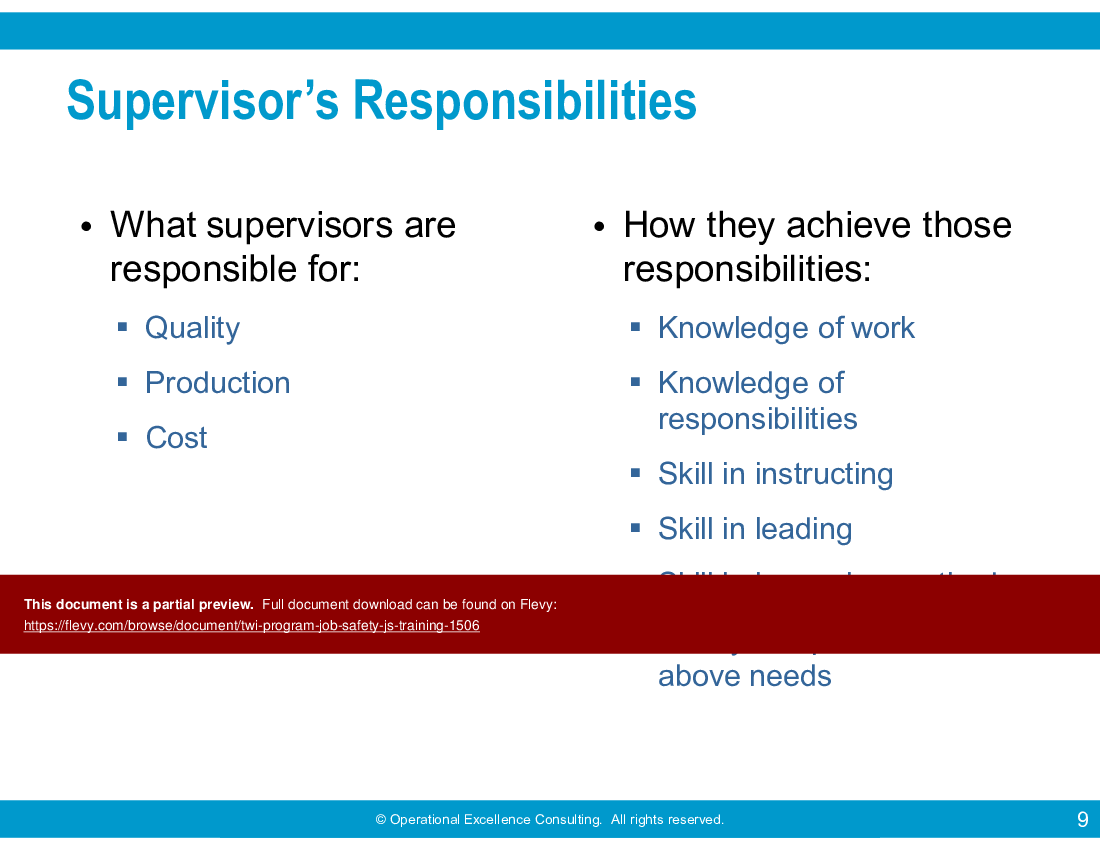
5. Understand a Supervisor's major safety responsibilities.
CONTENTS
1. Introduction to TWI and Job Safety (JS)
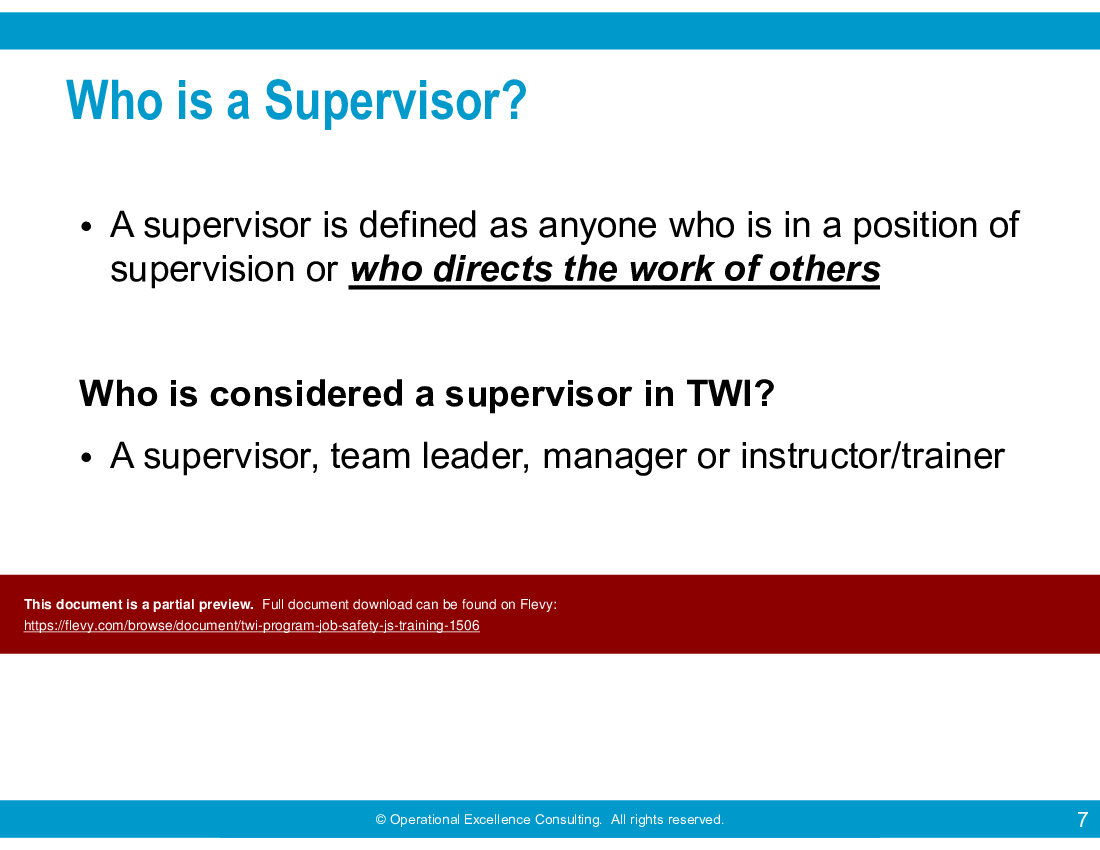
2. Definition of a Supervisor
3. 5 Basic Needs of Supervisors
4. Definition of Safety Incident
5. The Incident Chain
6. Elements of the Incident Chain
7. Heinrich's Accident Pyramid
8. Four Steps for Job Safety
9. Job Safety Breakdown
10. Job Safety Instruction
11. How to Spot Hazards
12. How to Avoid Hazards
13. Three Rules for Making Safety Instructions
14. Supervisor's Major Safety Responsibilities
The TWI Job Safety (JS) program empowers supervisors to proactively identify and mitigate potential hazards, fostering a culture of safety and accountability. This comprehensive training package equips leaders with the tools to conduct thorough safety breakdowns and enforce effective countermeasures.
Got a question about the product? Email us at support@flevy.com or ask the author directly by using the "Ask the Author a Question" form. If you cannot view the preview above this document description, go here to view the large preview instead.
Executive Summary
The TWI Program: Job Safety (JS) Training presentation is a comprehensive training tool designed to enhance workplace safety through the Training Within Industry (TWI) methodology. Developed by an experienced TWI Master Trainer, this presentation equips supervisors and team leaders with essential skills to identify hazards, instruct employees on safe practices, and foster a safety-conscious culture. By implementing the four-step Job Safety method, organizations can significantly reduce accidents, enhance compliance, and promote a proactive approach to workplace safety.
Who This Is For and When to Use
• Supervisors and team leaders responsible for employee safety
• HR managers overseeing safety training programs
• Safety officers and compliance personnel
• Operations managers focused on improving workplace safety
Best-fit moments to use this deck:
• During onboarding sessions for new supervisors and team leaders
• As part of ongoing safety training initiatives
• When implementing new safety protocols or procedures
• In workshops aimed at enhancing safety culture within the organization
Learning Objectives
• Improve Job Safety based on the 4-Step method for JS
• Perform a Job Safety breakdown
• Give proper Job Safety instruction
• Learn how to spot and avoid hazards
• Understand a Supervisor’s major safety responsibilities
Table of Contents
• Introduction to TWI (page 1)
• Introduction to Job Safety (page 2)
• Four Steps of Job Safety (page 3)
• Job Safety Breakdown (page 4)
• How to Spot Hazards (page 5)
• How to Avoid Hazards (page 6)
• Supervisor’s Major Safety Responsibilities (page 7)
Primary Topics Covered
• Introduction to TWI - Overview of the Training Within Industry program and its historical significance in enhancing workplace efficiency and safety.
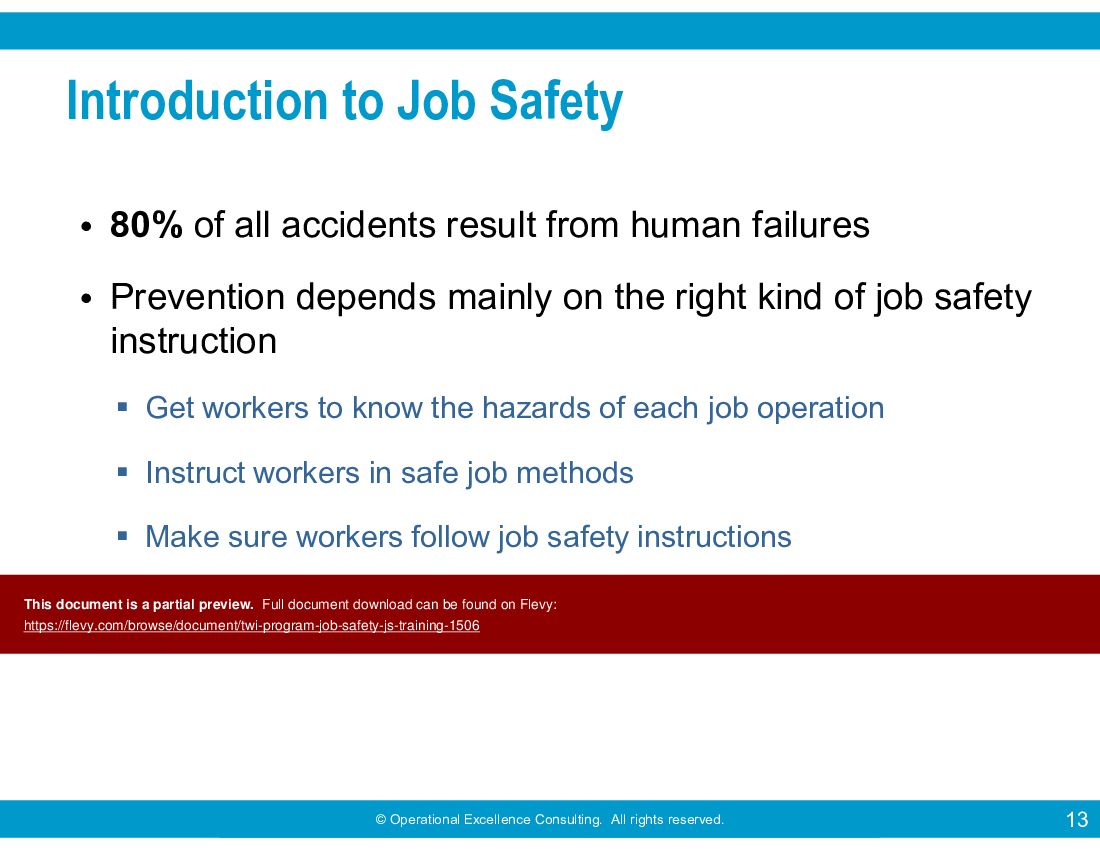
• Job Safety Overview - Explanation of the importance of job safety and the role of supervisors in fostering a safe work environment.
• Four Steps of Job Safety - Detailed methodology for identifying hazards and implementing safety measures effectively.
• Job Safety Breakdown - Framework for documenting safety procedures and ensuring compliance with safety standards.
• Hazard Spotting - Techniques for identifying potential hazards in the workplace, including environmental and human factors.
• Preventing Hazards - Strategies for removing hazards, utilizing protective equipment, and teaching safe job methods.
Deliverables, Templates, and Tools
• Job Safety Breakdown Sheet template for documenting safety procedures
• Job Safety Card for quick reference on hazard identification and prevention
• Safety instruction guidelines for effective training delivery
• Checklist for spotting hazards in various workplace settings
• Framework for conducting safety audits and inspections
Slide Highlights
• Overview of the TWI program and its benefits for improving safety and productivity
• The four-step method for Job Safety, emphasizing practical application
• Visual aids illustrating common workplace hazards and prevention strategies
• Case studies showcasing successful implementation of TWI Job Safety training
• Interactive activities designed to engage participants in safety discussions
Potential Workshop Agenda
Introduction to TWI and Job Safety (30 minutes)
• Overview of TWI principles and their application to job safety
• Discussion on the importance of safety in the workplace
Four Steps of Job Safety (60 minutes)
• Detailed explanation of each step in the Job Safety method
• Group activity to practice identifying hazards and implementing countermeasures
Job Safety Breakdown (45 minutes)
• Hands-on session to complete a Job Safety Breakdown Sheet
• Review of safety documentation practices
Customization Guidance
• Tailor the Job Safety Breakdown Sheet to reflect specific job roles and tasks within your organization
• Adjust the training materials to incorporate company-specific safety policies and procedures
• Include case studies or examples relevant to your industry to enhance relatability
Secondary Topics Covered
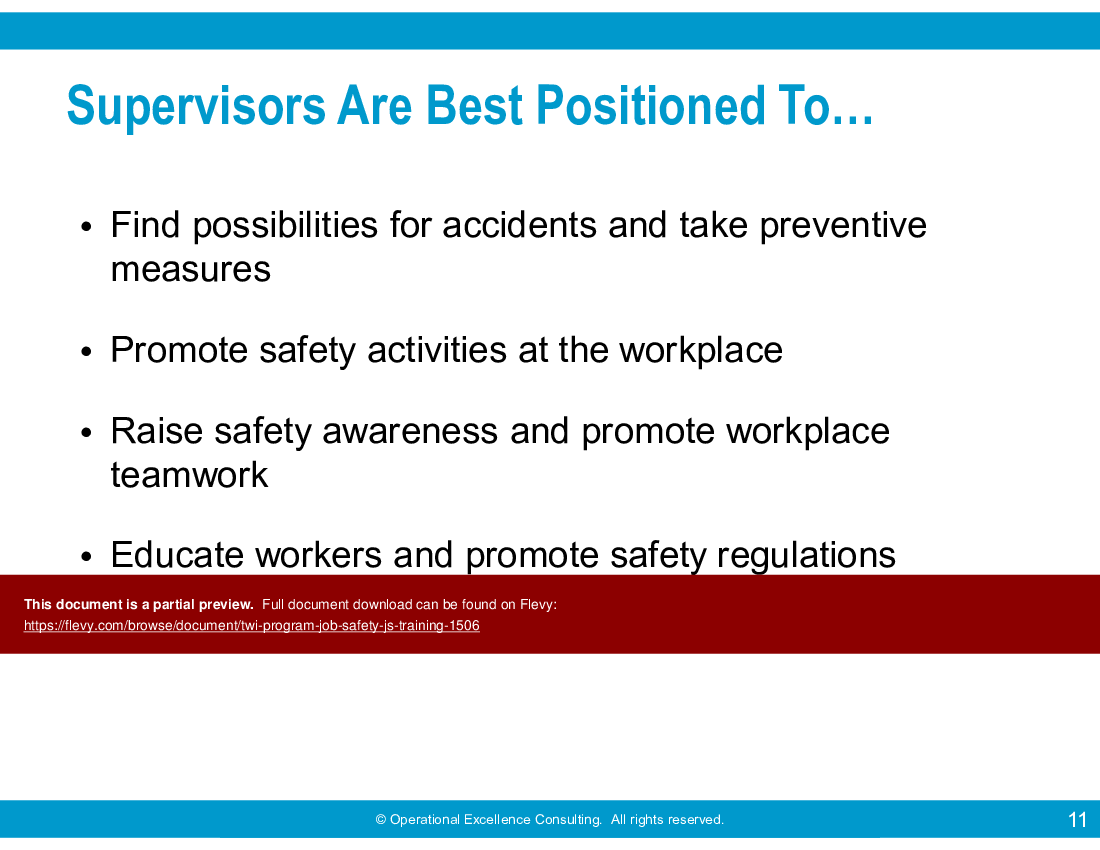
• The role of supervisors in promoting a safety culture
• Techniques for effective communication of safety instructions
• The impact of safety training on employee morale and productivity
• Strategies for continuous improvement in safety practicesDocument FAQ
What is the TWI Program?
The TWI Program is a leadership development initiative designed to enhance the skills of supervisors and team leaders in instructing, improving methods, and managing job relations effectively.
How does Job Safety training benefit my organization?
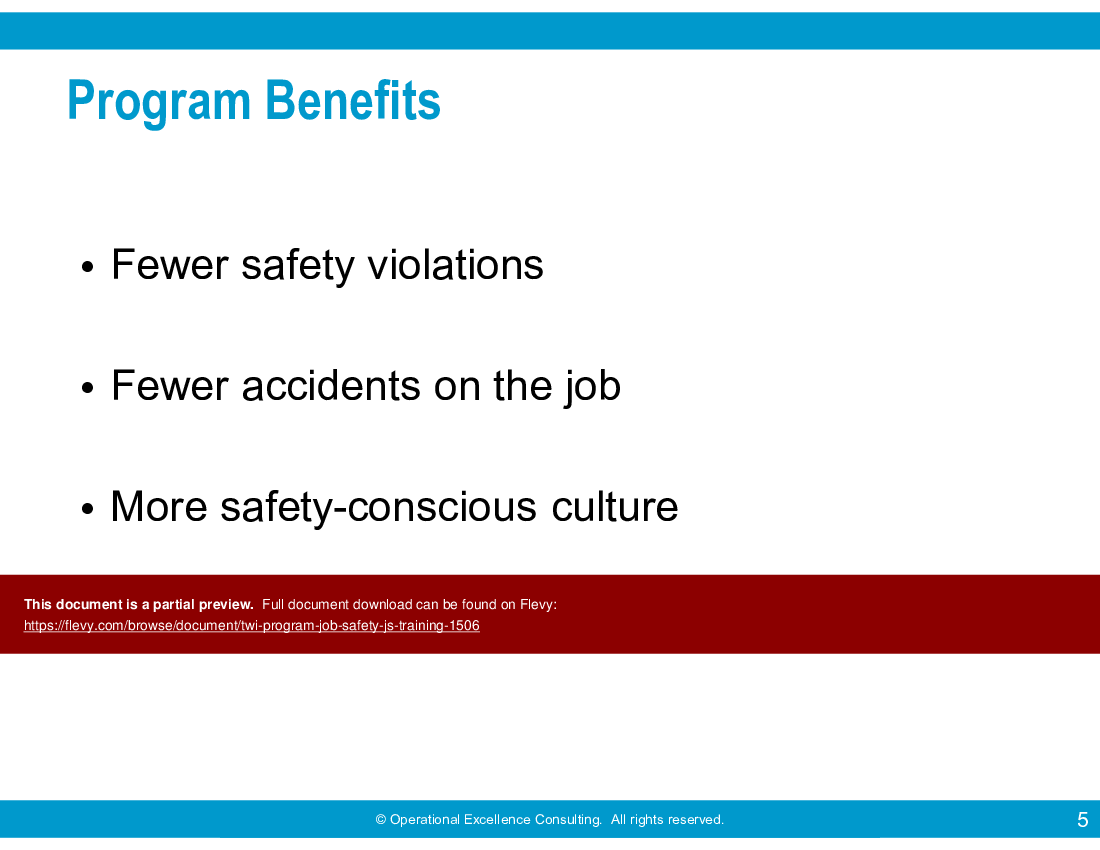
Implementing Job Safety training can lead to fewer accidents, reduced safety violations, and a more safety-conscious culture within the organization.
What are the 4 steps of Job Safety?
The 4 steps are: Spot the Cause of Danger, Decide on Countermeasures, Enforce Countermeasures, and Check Results.
How can I customize the training materials?
You can tailor the materials to fit your organization's specific safety protocols, job roles, and industry requirements.
What types of hazards should we be looking for?
Hazards can include unsafe acts, environmental conditions, improper use of tools, and inadequate safety measures.
How often should Job Safety training be conducted?
Regular training should be conducted as part of onboarding for new employees and ongoing sessions for existing staff to reinforce safety practices.
What is the role of a supervisor in ensuring workplace safety?
Supervisors are responsible for instructing employees on safety precautions, following up on safety training, and setting a good safety example.
How can we measure the effectiveness of Job Safety training?
Effectiveness can be measured through reduced incident rates, employee feedback, and improved compliance with safety protocols.
Glossary
• TWI - Training Within Industry, a program designed to enhance supervisory skills.
• Job Safety - The practice of identifying and mitigating risks associated with job tasks.
• Hazard - A potential source of harm or adverse effect.
• Countermeasure - An action taken to prevent or mitigate a hazard.
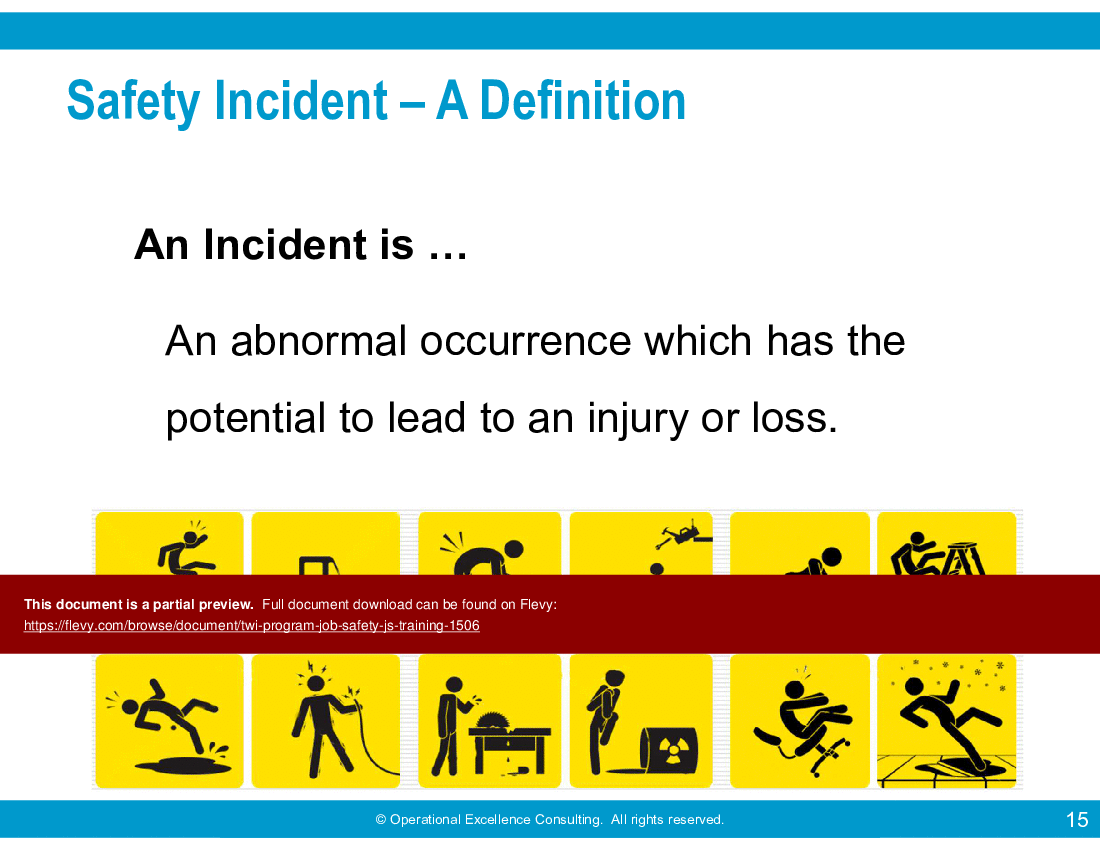
• Incident - An abnormal occurrence that could lead to injury or loss.
• Safety Breakdown Sheet - A document used to outline safety procedures for specific tasks.
• Job Safety Card - A quick reference tool for identifying hazards and safety measures.
• Safety Culture - The shared values and behaviors regarding safety within an organization.
• Supervisor - An individual responsible for overseeing the work and safety of employees.
• Preventive Measures - Actions taken to reduce the likelihood of accidents or incidents.
• Compliance - Adherence to safety regulations and standards.
• Training - The process of teaching employees about safety practices and procedures.
• Workplace Safety - The policies and practices aimed at ensuring a safe working environment.
• Accident - An unplanned event that results in injury or damage.
• Safety Instruction - Directions provided to employees to ensure safe job performance.
• Continuous Improvement - Ongoing efforts to enhance safety practices and reduce risks.
• Safety Audit - A systematic examination of safety practices within an organization.
• Risk Assessment - The process of evaluating potential risks associated with job tasks.
• Standard Operating Procedures (SOPs) - Established guidelines for performing tasks safely.
• Personal Protective Equipment (PPE) - Gear worn to minimize exposure to hazards.
• Safety Training - Educational programs designed to inform employees about safety practices.
Source: Best Practices in Workplace Safety, Training within Industry PowerPoint Slides: TWI Program: Job Safety (JS) Training PowerPoint (PPTX) Presentation Slide Deck, Operational Excellence Consulting
This document is available as part of the following discounted bundle(s):
Save %!
Complete TWI Programs: JI, JM, JR, JS & PS Training
This bundle contains 5 total documents. See all the documents to the right.
|
Receive our FREE presentation on Operational Excellence
This 50-slide presentation provides a high-level introduction to the 4 Building Blocks of Operational Excellence. Achieving OpEx requires the implementation of a Business Execution System that integrates these 4 building blocks. |